Reviews · Senior, intermediate, junior
Hockey sticks, ranked, reviewed, and price-checked.
The composite sticks the NHL is actually using right now, broken down by weight, kick point, flex, and curve — with live prices from the four biggest hockey retailers so you don’t overpay for the stick you already want.
Editor’s pick · Senior
The best senior stick on ice right now
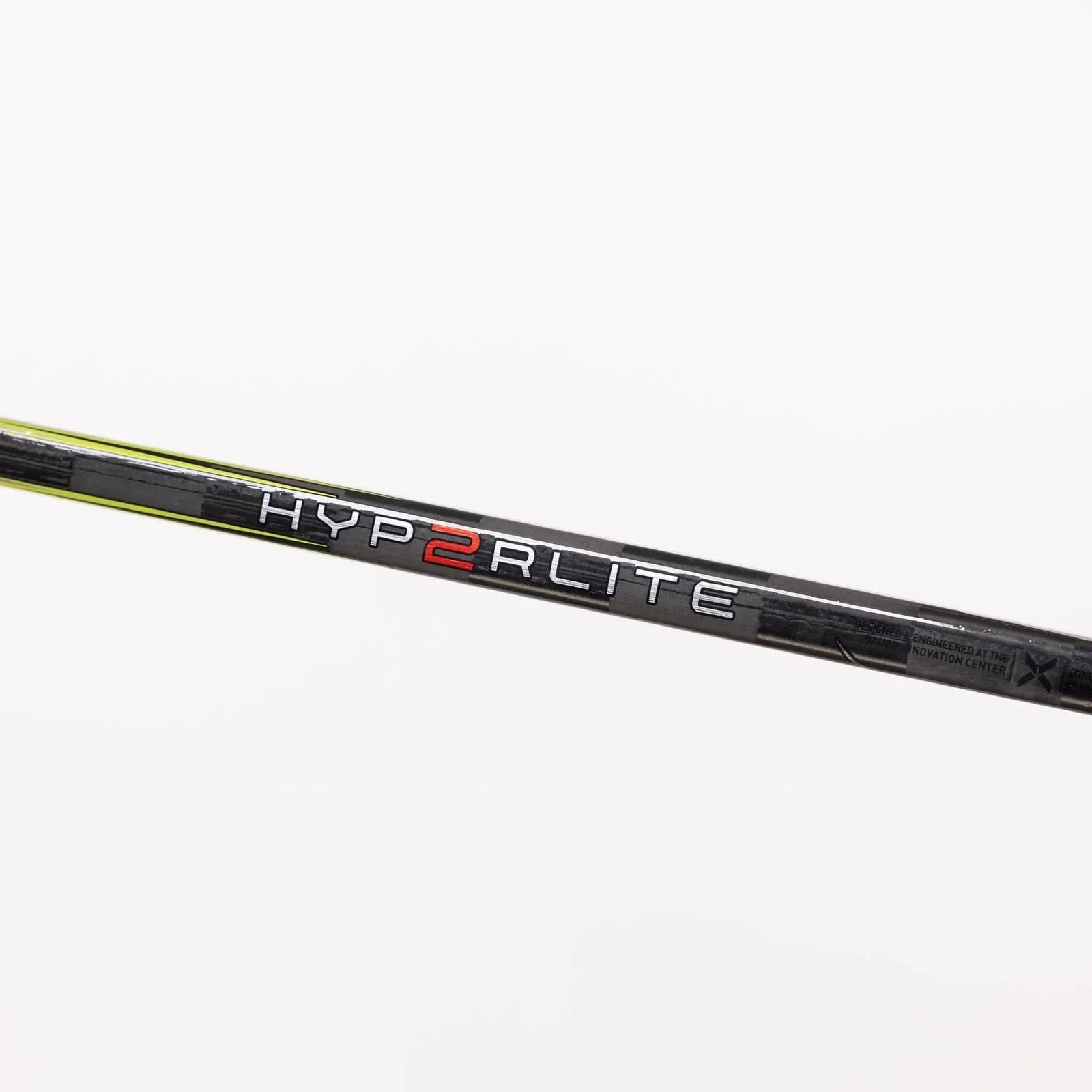 Best stick 2026
Senior composite stick
Bauer Vapor Hyperlite 2
Used by Quinn Hughes, Jack Eichel, Trevor Zegras — ~14% of the NHL. Bauer’s lightest senior stick yet at 365g, with an ultra-low kick point built for quick-release forwards.
Full reviews — live now
More sticks reviewed and price-compared
Full breakdowns — specs, verified NHL usage, and live price comparisons across 4 retailers. A new review drops every week.
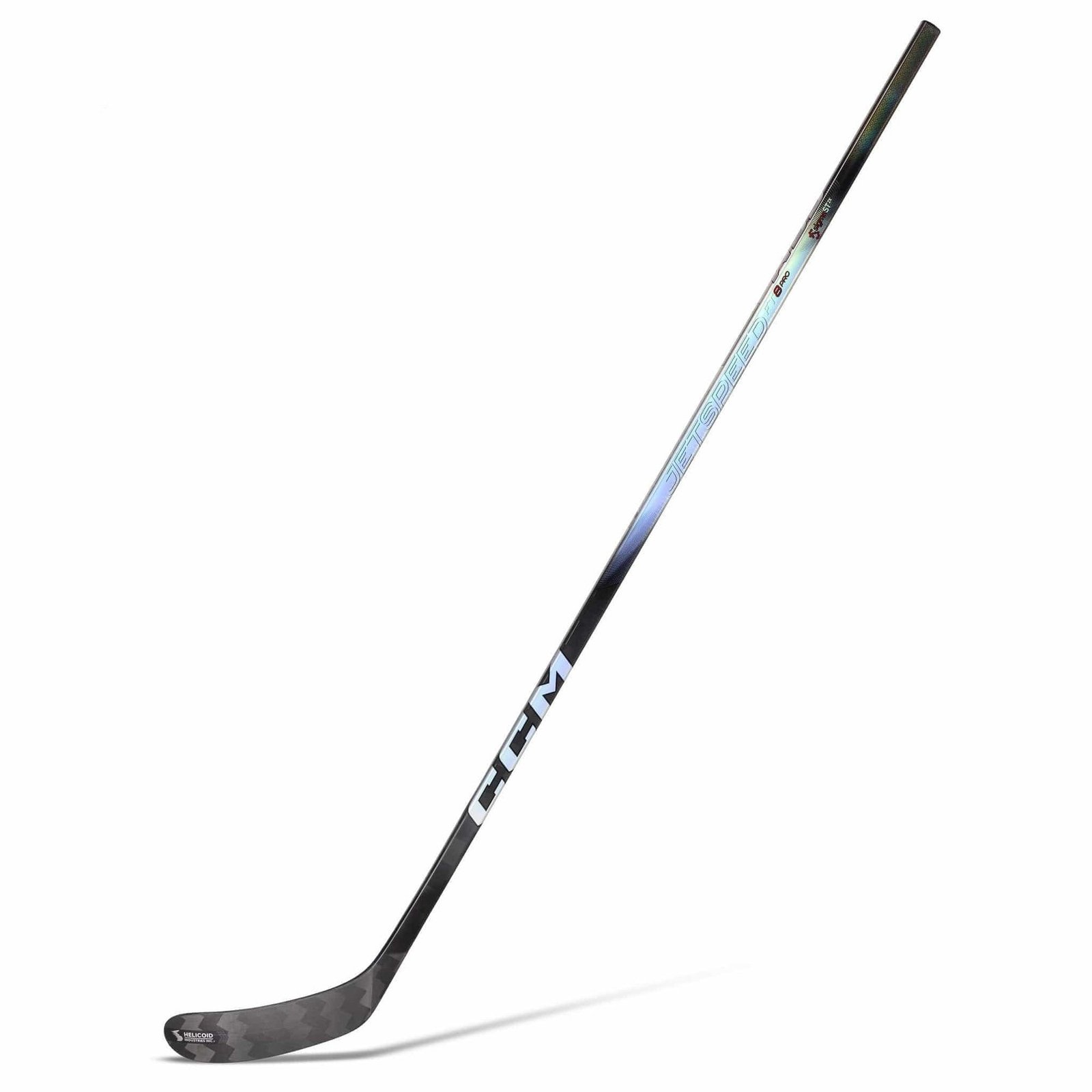
Senior stick · ⭐ 9.3 / 10
CCM Jetspeed FT8 Pro
Read full review →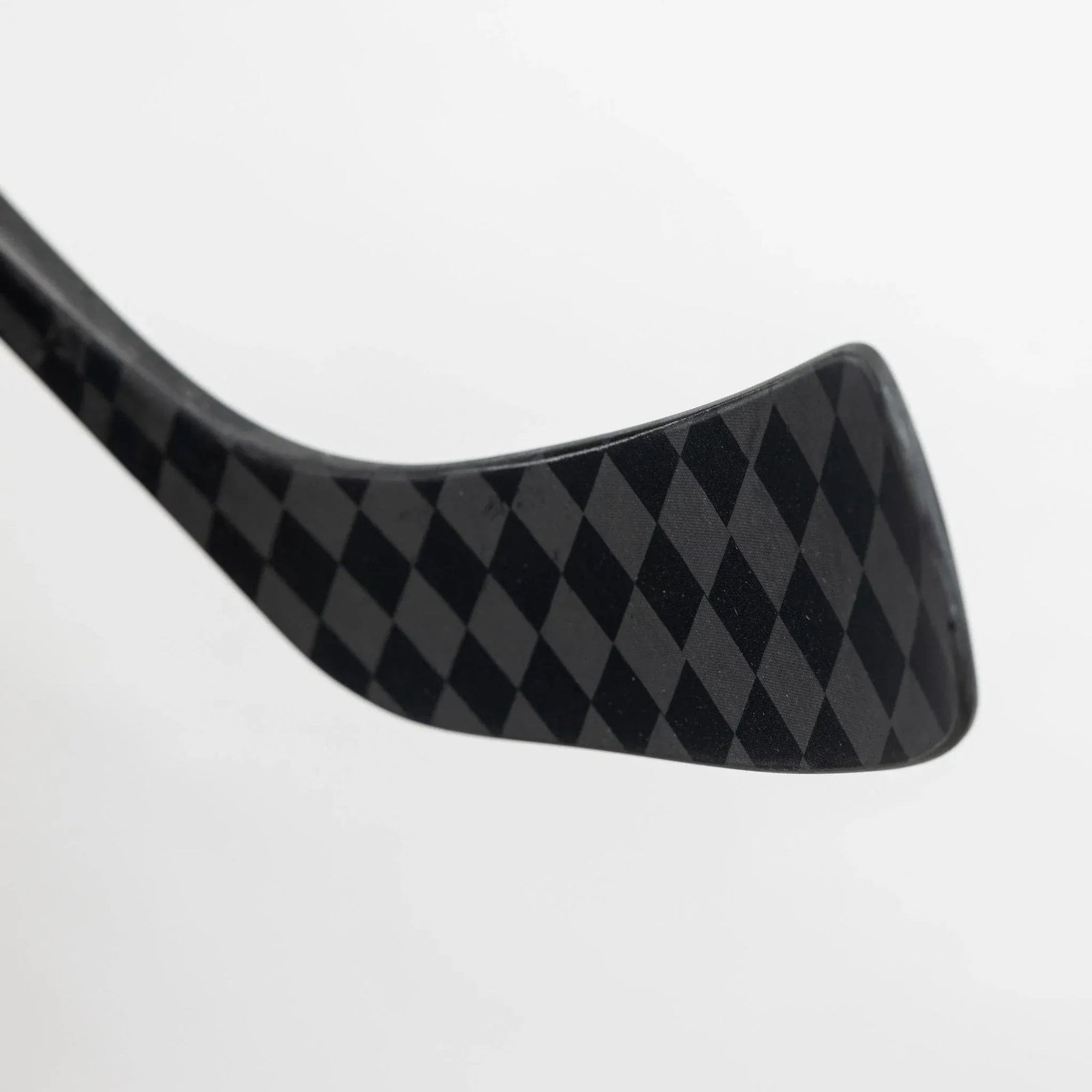
Senior stick · ⭐ 9.2 / 10
Bauer Nexus Tracer
Read full review →Senior stick
True Catalyst Nitro Pro
Get notified when live →Buyer guide
How to pick a hockey stick
Four decisions matter more than the brand. Get these right and you’ll cut your stick shopping time in half.
Kick point
The kick point is where the stick flexes most when you shoot. There are three main flavors. Low kick sticks (like the Bauer Hyperlite 2 or CCM Jetspeed FT8 Pro) load close to the blade for the quickest possible release — perfect for snipers who get pucks off fast in tight. Mid kick sticks (Bauer Nexus, CCM Tacks AS-V) load further up the shaft for harder slap shots and one-timers from the point. Hybrid kick sits between the two.
Flex rating
Flex measures how much force it takes to bend the shaft an inch. Lower flex = whippier stick (easier to load, better for quick shots, worse for power). The old rule of thumb is half your body weight: a 180lb adult typically lands somewhere between an 85 and 87 flex. Smaller forwards who prioritize quick release sometimes go down to 70-77. Power-shot defenders go up to 95+.
NHL pros run lighter flexes than you’d expect: Quinn Hughes uses an 87, Jack Eichel a 65, Trevor Zegras a 55. The pro stock numbers aren’t directly comparable to retail flexes — the loading characteristics differ — but they hint at how much pros prioritize feel over raw power.
Curve pattern
The blade curve shapes how the puck leaves your stick. The four patterns that dominate today: P28 (open-toe curve, lifts pucks fast in tight — McDavid’s, Eichel’s), P92 (mid-toe, the most versatile all-around), P88 (mid heel, easier for backhands and saucer passes — Hughes runs this), P90TM/P90T (extreme toe for elevators on breakaways). If you’re switching from one curve to another, give yourself 4-6 ice sessions to relearn your timing.
Length
Standard senior length is 60″, but most sticks come in a 62″ option for taller players or defenders who want extra reach for poke checks. A loose rule: stick up to your nose in skates for forwards, stick up to your chin for defenders. Cutting a stick down from 62″ to 60″ stiffens its flex by about 5 points — worth knowing if you’re tweaking feel.
What to spend
Flagship senior sticks run $280-340 USD at MSRP, but most go on sale for $200-260 within 6 months of release. Mid-tier sticks ($150-200) use similar carbon construction with slightly heavier weight and shorter warranties — for 90% of recreational players, mid-tier is plenty. Buy flagship if you’re playing competitive AA/AAA hockey or men’s-league with a hard shot release expectation.